

What is Barth syndrome?
Barth syndrome is a very rare, genetic condition that mainly affects males



Image portrayal.

Most of the normal activities to some kids were more difficult for me,
like running or climbing stairs, and walking two blocks or more took every bit of energy away from me. I could not keep up with the other kids. I would get tired very fast. I wanted to sit down and rest.”
— Individual affected by Barth syndrome*
*The Voice of the Patient: Barth Syndrome Report. Barth Syndrome Foundation. Published March 8, 2019.
https://uniqode.io/zzqEcm .
How is Barth syndrome passed down?
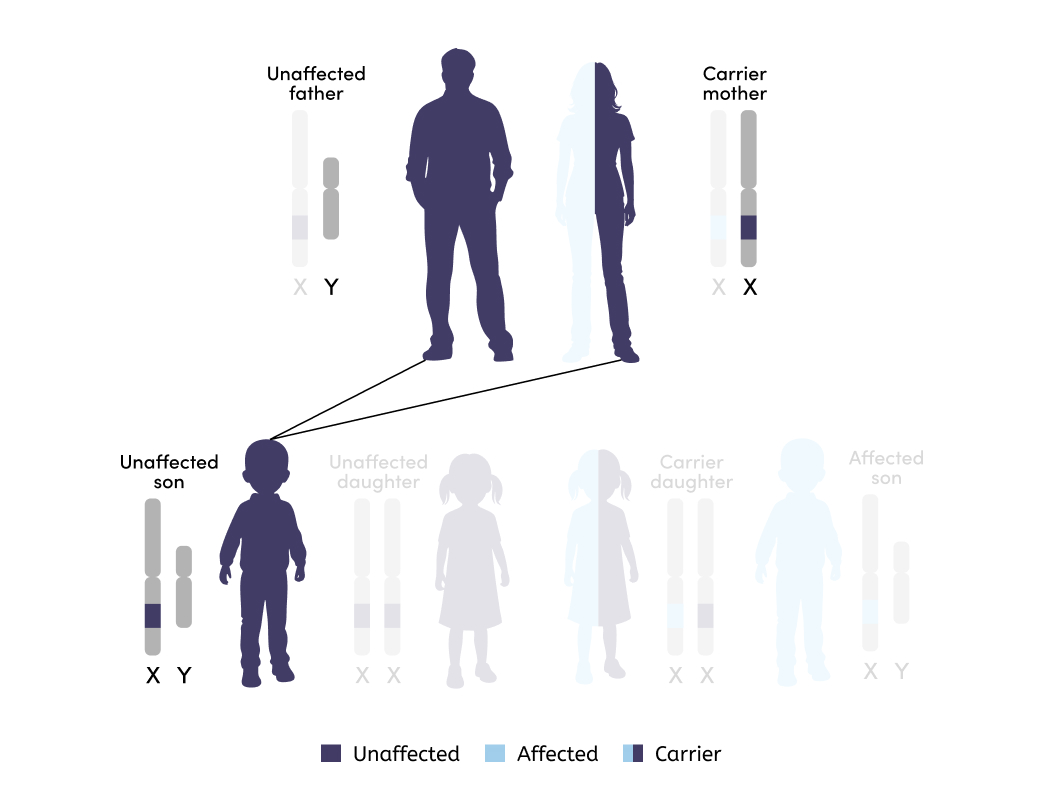
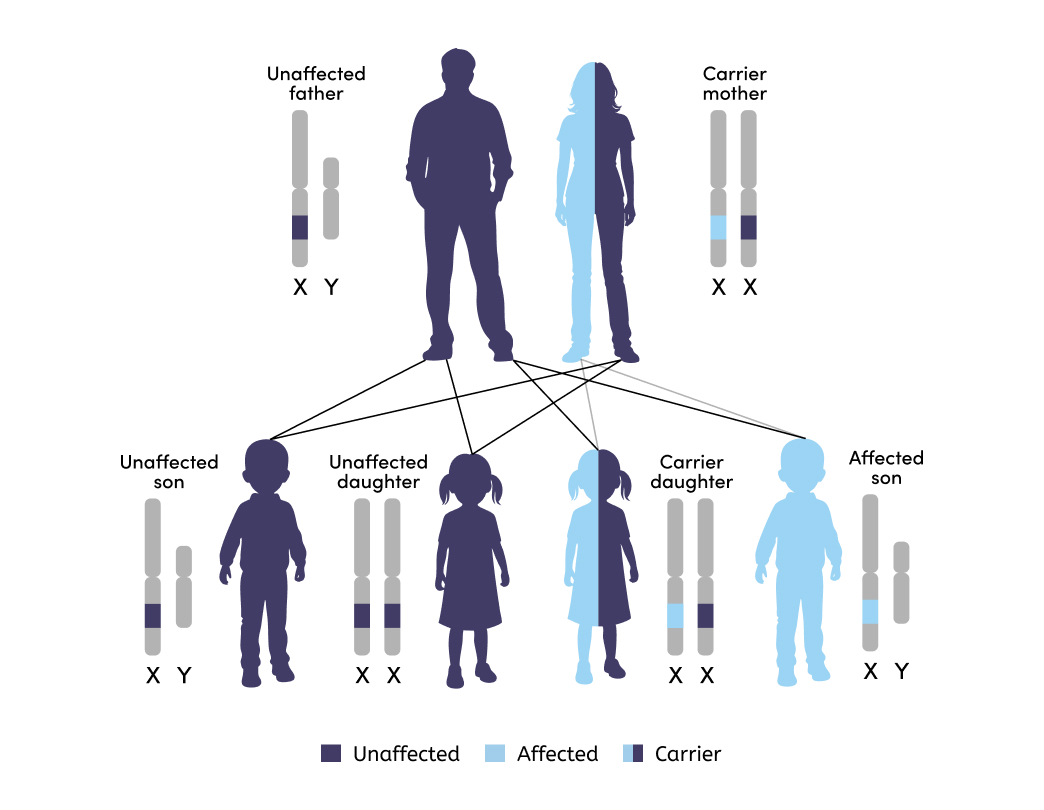
Barth syndrome is usually inherited, which means it's passed down from mother to son through genes. In rare cases, it can result from a new genetic change that was not inherited from either parent.
In Barth syndrome, there’s a change—called a “mutation”—in the TAFAZZIN (TAZ) gene. This gene is located on the X chromosome.

What does the TAZ gene do?
Why are mitochondria important?
Think of mitochondria as the powerhouse of each cell, working constantly to power your activities each day.
The cardiolipin—which lives inside mitochondria—helps mitochondria produce cellular energy efficiently and supports healthy muscle function
Cells that need the most energy, like those found in the heart, muscles, and brain, contain the highest number of mitochondria
When your mitochondria work properly, your muscles tire less quickly, your heart can pump effectively, and your immune system can fight infections
How does Barth syndrome affect mitochondria?
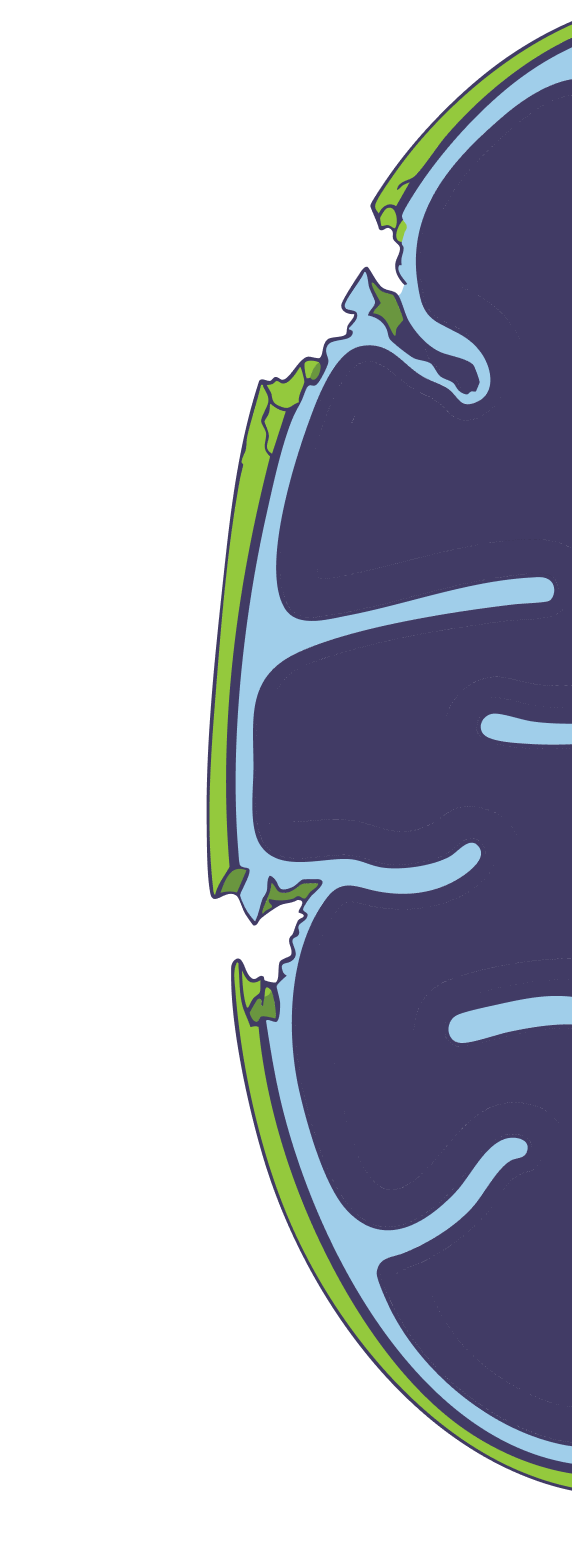
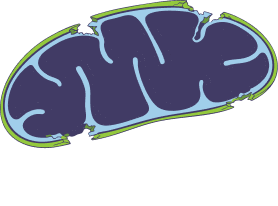
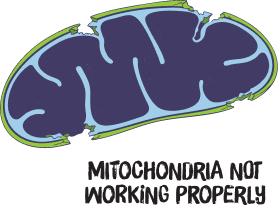
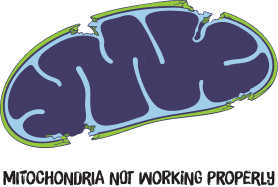
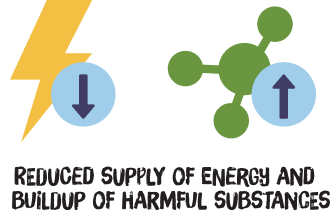
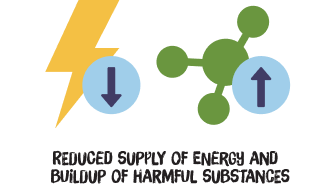
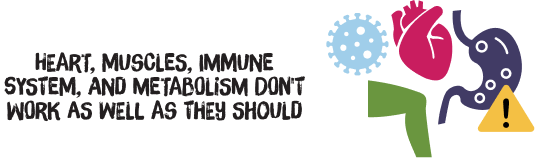
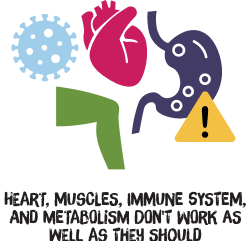
In Barth syndrome, mitochondria don't work the way they should. Because of the mutation in the TAZ gene, tafazzin can’t do its job correctly—it can’t finish making cardiolipin. And without enough finished cardiolipin, mitochondria break down.




How can Barth syndrome impact you or a loved one?
It’s important to keep in mind that symptoms often vary from person to person and change over time
Below are some things you or your loved one may experience:
Exhaustion
- Over half of people with Barth syndrome experience ongoing or frequent exhaustion
Heart Problems
- In almost all individuals, cardiomyopathy—a progressive disease of the heart muscle—is the most common sign of Barth syndrome
Weakened Immune System
- Most people with Barth syndrome experience neutropenia, which means they don't have enough infection-fighting white blood cells
Digestive Problems
- It’s common for individuals to have stomach problems and discomfort, which can make it harder to eat and gain weight
Slow Growth
- Children with Barth syndrome are often smaller or shorter than their peers, then grow more quickly during puberty. During this period of rapid growth, heart problems can get worse
Lack of Strength
- Muscle weakness often makes everyday activities more challenging and usually becomes more severe as a person gets older


Image portrayal.
Each year he makes multiple visits to the emergency room...”
— Caregiver*
*The Voice of the Patient: Barth Syndrome Report. Barth Syndrome Foundation. Published March 8, 2019 https://uniqode.io/zzqEcm.
How is Barth syndrome diagnosed?
How is Barth syndrome managed?
Once diagnosed, those affected often see a team of specialized doctors since Barth syndrome impacts different parts of the body at the same time.
This care team can include:


Image portrayal.
If somebody asked me what type of treatment I really wish we had, the answer would be
something to improve his strength and his endurance.”
- Caregiver*
*The Voice of the Patient: Barth Syndrome Report. Barth Syndrome Foundation. Published March 8, 2019. https://uniqode.io/zzqEcm .
Learn about FORZINITYWhat is FORZINITY®used for?
FORZINITY is a prescription medicine used to improve muscle strength in adult and pediatric individuals living with Barth syndrome weighing at least 30 kg. The safety and effectiveness of FORZINITY have not been established in pediatric individuals weighing less than 30 kg.
The recommended dosage of FORZINITY in most affected individuals weighing at least 30 kg is 40 mg subcutaneously once daily. For individuals with reduced renal function, please have your doctor refer to the Prescribing Information.
This indication is approved under accelerated approval based on an improvement in knee extensor muscle strength, an intermediate clinical endpoint. Continued approval for this indication may be contingent upon verification and description of clinical benefit in a confirmatory trial(s).
The risk information provided here is not comprehensive. To learn more, talk with your doctor and read the full Prescribing Information.
What should I tell my doctor before taking FORZINITY?
Before taking FORZINITY tell your doctor about all of the medicines you take, including prescription and over-the-counter medicines, vitamins, and herbal supplements. You should also tell your doctor if you have or had:
- any allergies
- kidney problems
What are the possible side effects of FORZINITY?
- Injection site reactions: The most common side-effects or adverse reactions with FORZINITY are redness, swelling, pain, itching, bruising, or hives at the site of injection. These adverse reactions are referred to as injection site reactions.
- Allergic reactions. FORZINITY may cause allergic reactions, such as rash, small, raised skin bumps known as papular lesions, inflammation of the skin or eczematous dermatitis, as well as respiratory symptoms including cough. Stop using FORZINITY and get medical help right away if you develop any of the following symptoms of a severe allergic reaction:
-
- swelling of your face, lips, mouth, or tongue
- trouble breathing or airway constriction
- wheezing
- dizziness or fainting
- fast heartbeat or pounding in your chest
- sweating
These are NOT all of the possible side effects of FORZINITY.
Call your doctor for medical advice about side effects. You may report side effects to the FDA at 1-800-FDA-1088 or www.fda.gov/medwatch.