

More Energy.
More Strength.
With Forzinity

Not a real person. AI-generated image.
About FORZINITY: The First Cardiolipin-Binding Therapy
For the first time, you can give patients with Barth syndrome a therapy that improves strength1
Only FORZINITY:

Is indicated to improve muscle strength in adult and pediatric patients with Barth syndrome weighing at least 30 kg (~66 lbs)1

Directly targets cardiolipin-driven mitochondrial dysfunction to improve energy production1,2

Provides durable improvements in muscle strength with a manageable safety profile at 168 weeks1
About FORZINITY: The First Cardiolipin-Binding Therapy
For the first time, you can give patients with Barth syndrome a therapy that improves strength1
Only FORZINITY:
Is indicated to improve muscle strength in adult and pediatric patients with Barth syndrome weighing at least 30 kg (~66 lbs)1
Directly targets cardiolipin-driven mitochondrial dysfunction to improve energy production1,2
Provides durable improvements in muscle strength with a manageable safety profile at 168 weeks1

Mechanism of Action
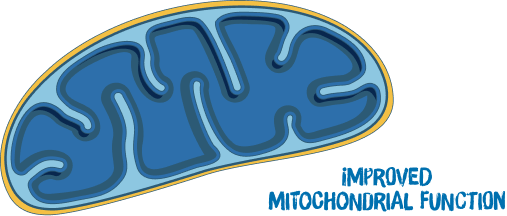
As the FIRST and ONLY cardiolipin-binding therapy, FORZINITY improves mitochondrial morphology and function1
Not a real person. AI-generated image.
FORZINITY supports mitochondrial energy production by directly addressing the deficient cardiolipin driving Barth syndrome1,3
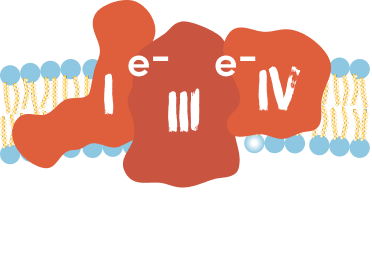
FORZINITY is a cardiolipin-binding therapy that protects mitochondria3
Elamipretide—the active ingredient in FORZINITY—targets the inner mitochondrial membrane (IMM), stabilizing cardiolipin3
By repairing cardiolipin function, elamipretide3,4:
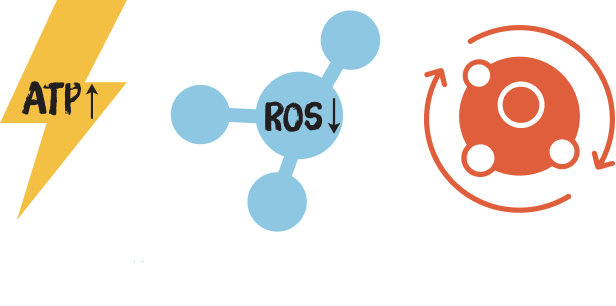
- Reduces oxidative stress by improving mitochondrial efficiency and lowering ROS emission
With FORZINITY3,4:


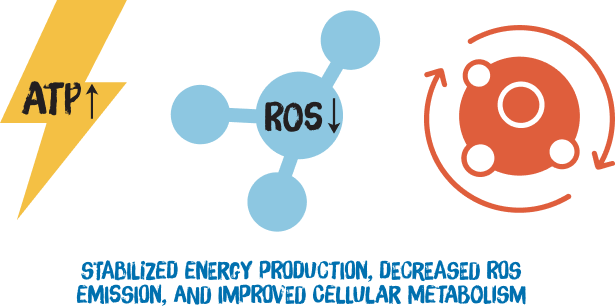
ATP, adenosine triphosphate; ROS, reactive oxygen species.

Explore the results from the long-term TAZPOWER trial
Efficacy and SafetyINDICATION AND IMPORTANT SAFETY INFORMATION
IMPORTANT SAFETY INFORMATION
Contraindications
FORZINITY is contraindicated in patients with serious hypersensitivity to elamipretide or any of the excipients in FORZINITY.
Warnings and Precautions
Benzyl Alcohol Toxicity – Do Not Use in Neonates
Serious and fatal reactions (including metabolic acidosis progressing to neurotoxicity and gasping syndrome) have occurred in preterm and low-birth-weight neonates receiving benzyl alcohol (BA)-containing drugs.
FORZINITY contains 20 mg BA/mL and is not approved for use in neonates or for IV administration.
Hypersensitivity
Reported reactions include rash, papular lesions, eczema/dermatitis, cough, and serious allergic reactions requiring emergency medical intervention.
Reactions may occur minutes to months after starting treatment. Monitor patients for signs and symptoms during treatment.
Discontinue FORZINITY permanently if a serious hypersensitivity reaction occurs.
Adverse Reactions
Adverse reactions occurring more commonly with FORZINITY than with placebo included injection site reactions such as injection site erythema, pain, induration, pruritus, bruising, and urticaria.
Eosinophilia
Modest elevations in eosinophil counts (peak ~90 days) occurred but were not associated with clinical symptoms.
To report SUSPECTED ADVERSE REACTIONS, contact FDA at 1-800-FDA-1088 or www.fda.gov/medwatch.
Please see Full Prescribing Information for FORZINITY.
INDICATION
FORZINITY is a mitochondrial cardiolipin binder indicated to improve muscle strength in adult and pediatric patients with Barth syndrome weighing at least 30 kg.
This indication is approved under accelerated approval based on an improvement in knee extensor muscle strength, an intermediate clinical endpoint. Continued approval for this indication may be contingent upon verification and description of clinical benefit in a confirmatory trial(s).
References:
1. Forzinity Full Prescribing Information. Needham, MA. Stealth BioTherapeutics, Inc.; 9/2025.
2. Taylor C, Rao ES, Pierre G, et al. Clinical presentation and natural history of Barth Syndrome: an overview. J Inherit Metab Dis. 2022;45(1):7-16. doi:10.1002/jimd.12422
3. Tung C, Varzideh F, Farroni E, et al. Elamipretide: a review of its structure, mechanism of action, and therapeutic potential. Int J Mol Sci. 2025;26(3):944. doi:10.3390/ijms26030944
4. Sabbah HN, Alder NN, Sparagna GC, et al. Contemporary insights into elamipretide's mitochondrial mechanism of action and therapeutic effects. Biomed Pharmacother. 2025;187:118056. doi:10.1016/j.biopha.2025.118056
5. Thompson WR, Manuel R, Abbruscato A, et al. Long-term efficacy and safety of elamipretide in patients with Barth syndrome: 168-week open-label extension results of TAZPOWER. Genet Med. 2024;26(7):101138. doi: 10.1016/j.gim.2024.101138