
Barth Syndrome: Clinical Overview for HCPs
Barth syndrome is rare—and often difficult to recognize1
Multisystem involvement often masks the underlying mitochondrial cause2
Barth syndrome is a life-threatening X-linked metabolic and neuromuscular disorder that disrupts mitochondrial energy production.1,2
Barth syndrome occurs in
~1 in 300,000 - 400,000
Births globally2

It affects approximately 200-250 individuals worldwide, though the true prevalence is likely higher due to misdiagnosis2,3

It is often underdiagnosed or diagnosed later in life due to variable presentation2

It primarily affects males, but some reported cases in females exist4
Because symptoms fluctuate over time and involve multiple organ systems, Barth syndrome is frequently missed or diagnosed late1,2
The signs rarely point to a single explanation, leading many patients through a long and complex diagnostic journey involving multiple specialists.1-3
The typical time from symptom onset to a diagnosis is 3 years1
Patients who present with cardiac symptoms are typically most likely to be diagnosed within one year of onset, while those with less common presentations are most likely to have a longer time to diagnosis.5
The average age of diagnosis is 4 years old, but some people are not diagnosed until later in life1
Diagnosis is ultimately confirmed through genetic testing (whole genome or exome)6
The burden of Barth syndrome1
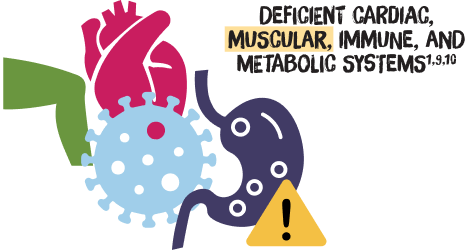
The symptoms of Barth syndrome span multiple systems across the entire body, with muscle weakness being a main component1


Cardiac1
Dilated cardiomyopathy, left ventricular non-compaction, arrhythmias, and risk of sudden cardiac events
- Cardiomyopathy is the single most common sign, occurring in 90% of patients and often presenting in infancy
- Up to 26% of patients with Barth syndrome will have a cardiac transplant

Immune1
Intermittent or chronic neutropenia; recurrent, sometimes severe infections
- Neutropenia is one of the most frequently observed findings in Barth syndrome with approximately 84% of patients experiencing it at some point

Growth & Metabolic1,7
Failure to thrive in infancy, short stature in early years, feeding difficulties, and GI symptoms
- Patients often experience accelerated growth in mid-to-late puberty, which may be accompanied by worsening cardiac function

Muscular1,5
Skeletal muscle weakness, profound fatigue, exercise intolerance
- More than 60% of patients with Barth syndrome experience excessive or chronic fatigue
- Muscle weakness poses functional limitations and generally worsens over time into adulthood
GI, gastrointestinal.
Barth syndrome is a cardiolipin-driven mitochondrial disease that disrupts cellular energy4
Defective cardiolipin drives progressive decline in the heart, skeletal muscle, and immune system in Barth syndrome8

Barth syndrome is caused by mutations in the TAZ gene, resulting in deficiency of the tafazzin enzyme, which is responsible for cardiolipin formation4
- Cardiolipin is located in the inner mitochondrial membrane and is responsible for correct mitochondrial structure and function
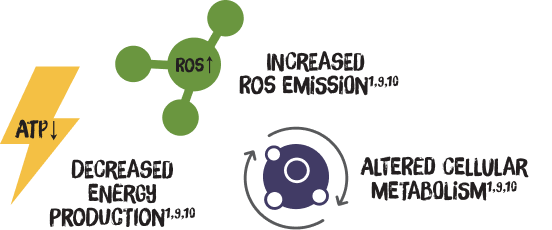
Altered cardiolipin undermines mitochondrial performance in Barth syndrome8:
- Disrupts respiratory chain activity
- Reduces ATP production
- Increases ROS emission
- Contributes to progressive cellular and tissue damage

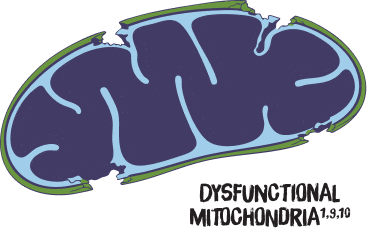
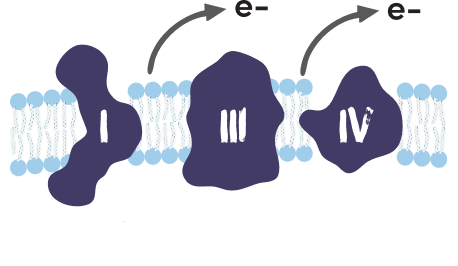
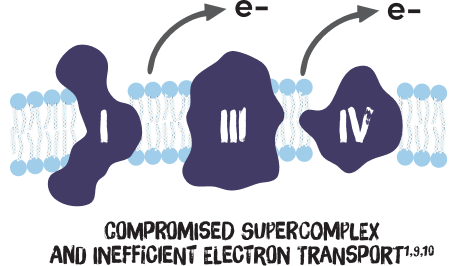
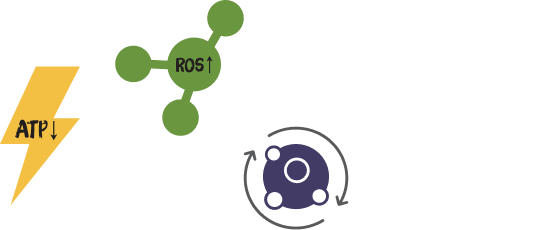

ATP, adenosine triphosphate; ROS, reactive oxygen species.
Despite advances in diagnosis and life expectancy, the disease burden remains high because care focuses on managing symptoms1-3

Most treatments help manage symptoms but cannot treat the mitochondrial defect itself11
Barth syndrome carries serious, life-altering clinical consequences6
Prompt diagnosis and coordinated care can meaningfully improve outcomes.6
Learn about FORZINITYTMINDICATION AND IMPORTANT SAFETY INFORMATION
IMPORTANT SAFETY INFORMATION
Contraindications
FORZINITY is contraindicated in patients with serious hypersensitivity to elamipretide or any of the excipients in FORZINITY.
Warnings and Precautions
Benzyl Alcohol Toxicity – Do Not Use in Neonates
Serious and fatal reactions (including metabolic acidosis progressing to neurotoxicity and gasping syndrome) have occurred in preterm and low-birth-weight neonates receiving benzyl alcohol (BA)-containing drugs.
FORZINITY contains 20 mg BA/mL and is not approved for use in neonates or for IV administration.
Hypersensitivity
Reported reactions include rash, papular lesions, eczema/dermatitis, cough, and serious allergic reactions requiring emergency medical intervention.
Reactions may occur minutes to months after starting treatment. Monitor patients for signs and symptoms during treatment.
Discontinue FORZINITY permanently if a serious hypersensitivity reaction occurs.
Adverse Reactions
Adverse reactions occurring more commonly with FORZINITY than with placebo included injection site reactions such as injection site erythema, pain, induration, pruritus, bruising, and urticaria.
Eosinophilia
Modest elevations in eosinophil counts (peak ~90 days) occurred but were not associated with clinical symptoms.
To report SUSPECTED ADVERSE REACTIONS, contact FDA at 1-800-FDA-1088 or www.fda.gov/medwatch.
Please see Full Prescribing Information for FORZINITY.
INDICATION
FORZINITY is a mitochondrial cardiolipin binder indicated to improve muscle strength in adult and pediatric patients with Barth syndrome weighing at least 30 kg.
This indication is approved under accelerated approval based on an improvement in knee extensor muscle strength, an intermediate clinical endpoint. Continued approval for this indication may be contingent upon verification and description of clinical benefit in a confirmatory trial(s).
References:
1. Taylor C, Rao ES, Pierre G, et al. Clinical presentation and natural history of Barth Syndrome: an overview. J Inherit Metab Dis. 2022;45(1):7-16. doi:10.1002/jimd.12422
2. Mazar I, Stokes J, Ollis S, et al. Understanding the life experience of Barth syndrome from the perspective of adults: a qualitative one-on-one interview study. Orphanet J Rare Dis. 2019;14(1):243. doi:10.1186/s13023-019-1200-8
3. Bowen VM, Milligan E, McCormack S, et al. The Voice of the Patient: Barth Syndrome. Barth Syndrome Foundation. Published March 8, 2019. Accessed March 11, 2026. https://www.barthsyndrome.org/file_download/inline/8f4620ad-4d84-4ffc-819c-b103919803ff
4. Finsterer J. Barth syndrome: mechanisms and management. Appl Clin Genet. 2019;12:95-106. doi:10.2147/TACG.S171481
5. Kenneson A, Huang Y, Lontok E, et al. The diagnostic odyssey, clinical burden, and natural history of Barth syndrome: an analysis of patient registry data. J Transl Genet Genom. 2024;8:285-297. doi:10.20517/jtgg.2024.22
6. Jefferies JL. Barth syndrome. Am J Med Genet C Semin Med Genet. 2013;163C:198-205.
7. Raja V, Reynolds CA, Greenberg ML. Barth syndrome: a life-threatening disorder caused by abnormal cardiolipin remodeling. J Rare Dis Res Treat. 2017;2(2):58-62. doi:10.29245/2572-9411/2017/2.1087
8. Zegallai HM, Hatch GM. Barth syndrome: cardiolipin, cellular pathophysiology, management, and novel therapeutic targets. Mol Cell Biochem. 2021;476(3):1605-1629. doi: 10.1007/s11010-020-04021-0
9. Sabbah HN, Alder NN, Sparagna GC, et al. Contemporary insights into elamipretide's mitochondrial mechanism of action and therapeutic effects. Biomed Pharmacother. 2025;187:118056. doi:10.1016/j.biopha.2025.118056
10. Tung C, Varzideh F, Farroni E, et al. Elamipretide: a review of its structure, mechanism of action, and therapeutic potential. Int J Mol Sci. 2025;26(3):944. doi:10.3390/ijms26030944
11. Thompson R, Jefferies J, Wang S, et al. Current and future treatment approaches for Barth syndrome. J Inherit Metab Dis. 2022;45(1):17-28. doi:10.1002/jimd.12453